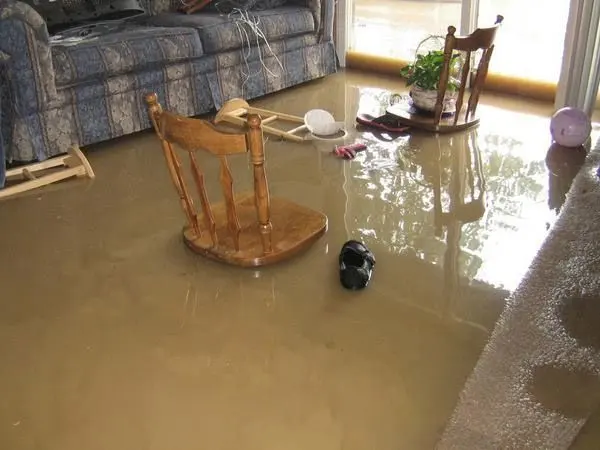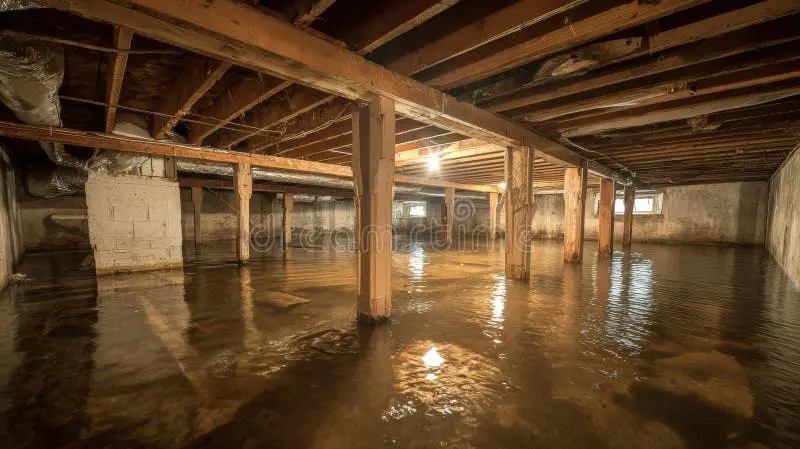
A sewage backup usually shows up at the lowest drain in the house: a ground-floor toilet, a shower or tub drain, or a floor drain in the garage. In Fairfield it often happens during heavy winter rain when older sewer laterals take in groundwater through cracks and roots, or when a main line clogs. Either way, what comes up carries bacteria and viruses, and it needs a different protocol from a clean water leak.
Common causes in Fairfield
- Tree roots in clay or cast iron sewer laterals under older yards.
- Grease and wipes clogging the main line.
- Storm water getting into cracked laterals during atmospheric-river storms.
- A sagging or broken lateral on shifting clay soil.
The Category 3 protocol
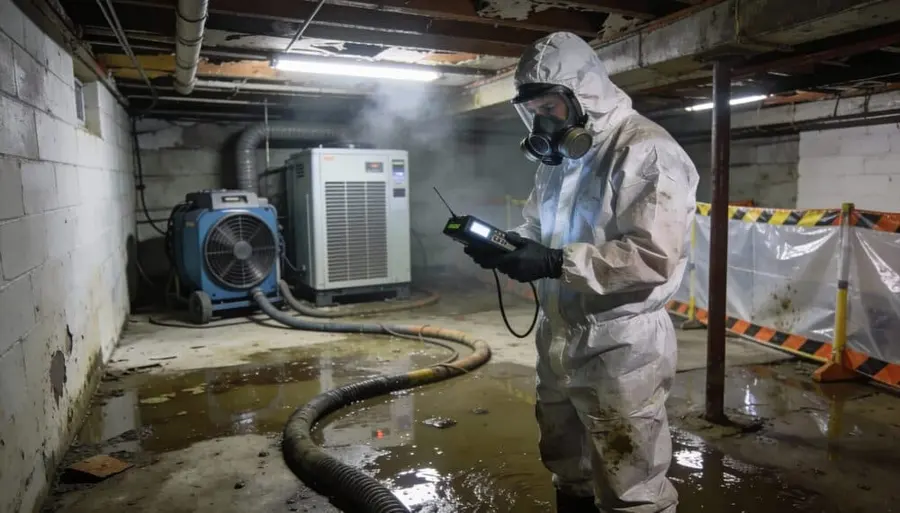
The mitigation team works in protective suits, gloves, boots and respirators. The affected area is sealed off with plastic containment, and HEPA air scrubbers run so contaminated air stays in the work zone. The extraction crew removes the sewage, then pulls out carpet, pad, drywall, insulation and other porous materials the water touched, usually with a flood cut above the highest wet point.
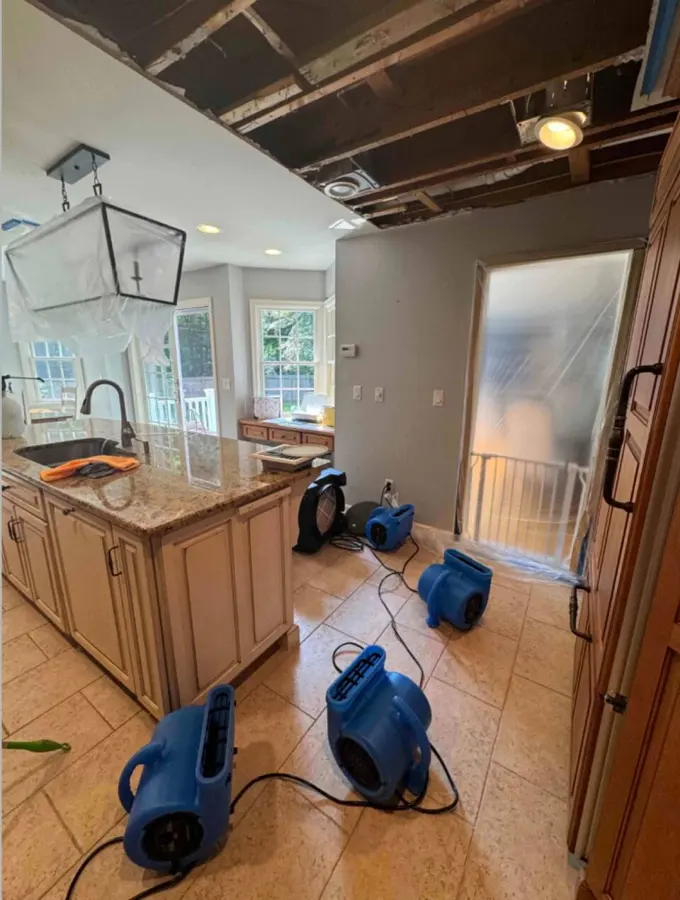
Hard surfaces and framing are cleaned and treated with an EPA-registered antimicrobial, left for the dwell time on its label. Only then does the drying team set air movers and dehumidifiers and log readings until the structure reaches the drying goal.
Health first
Keep children, older family members and pets away from the area, and do not run the HVAC if it pulls air from the affected rooms. The EPA explains sanitary sewer overflows, and the City of Fairfield lists sewer service contacts at fairfield.ca.gov for problems in the public main.