Fairfield gets most of its rain from a handful of big winter storms. When an atmospheric river parks over Solano County, the hills above Cordelia and Suisun Valley shed water fast, and Ledgewood Creek, Laurel Creek, Suisun Creek and Green Valley Creek rise quickly on their way to Suisun Marsh. Low streets near the creeks, and the flat ground in south Fairfield toward the marsh, take water first.
How storm water gets into Fairfield homes
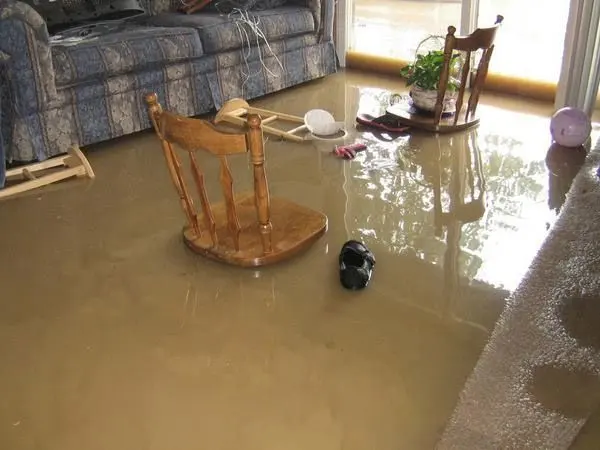
- Street and yard runoff that overwhelms drains and flows under garage doors and sliders.
- Creek overflow onto low lots near the channels.
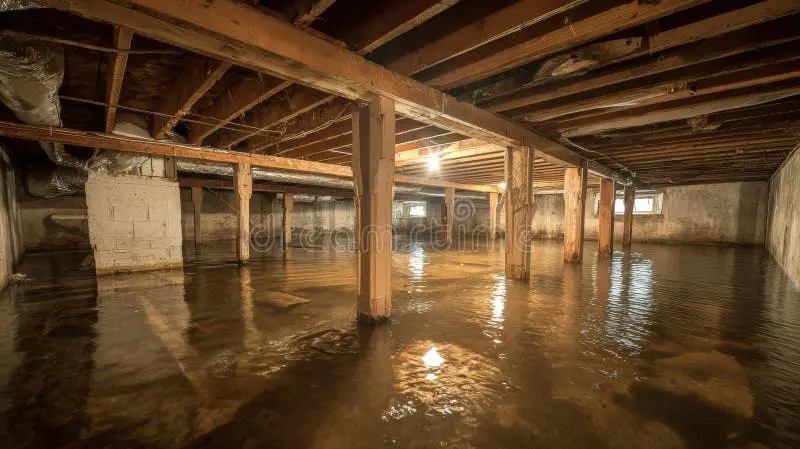
- A high water table near the marsh pushing water up into crawl spaces.
- Wind-driven rain at windows, vents and stucco during strong Delta winds.
- Storm drains and sewer laterals that back up when the system is full.
Why flood water is handled differently
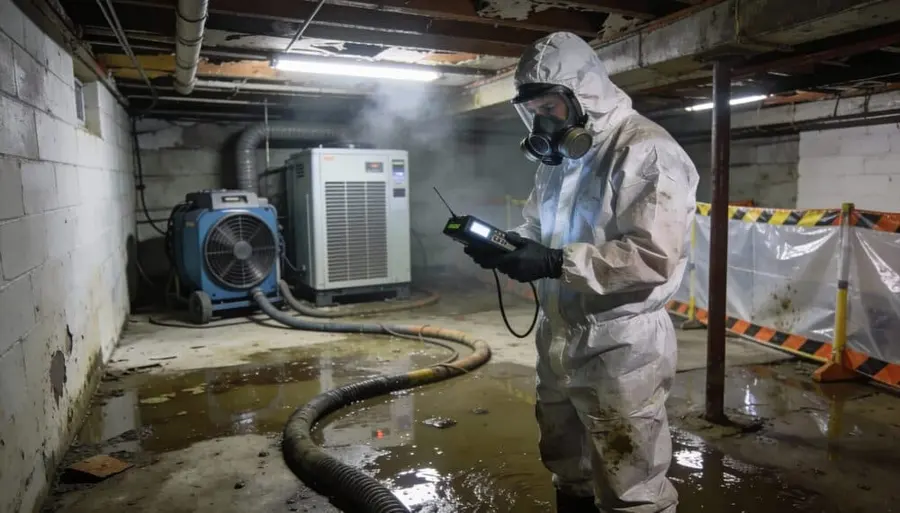
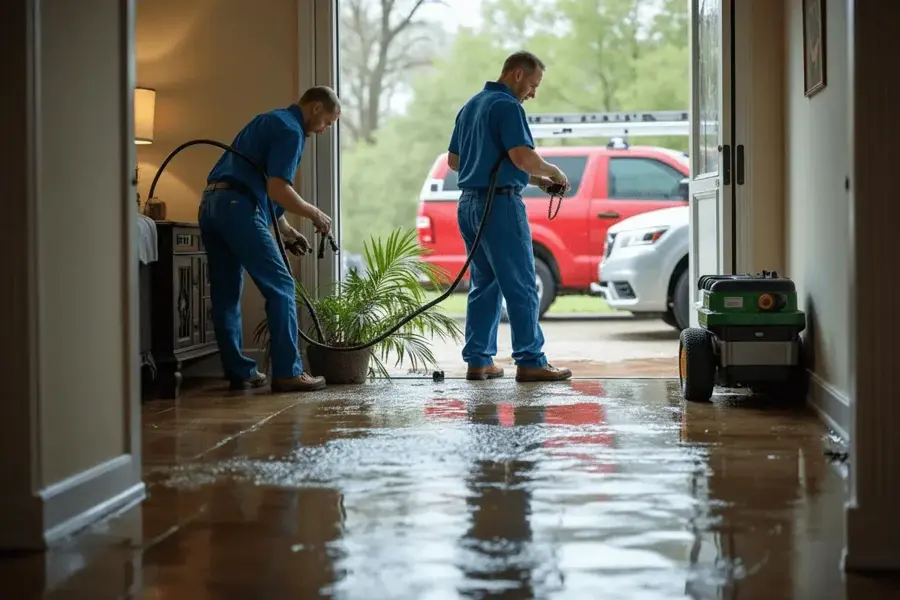
Water that crosses the ground outside picks up soil, fertilizer, oil and often sewage. Under the IICRC S500 standard it is Category 3 the moment it enters the house. The extraction crew works in protective gear, pulls the water out, and removes drywall, insulation, carpet and pad that the water touched. Hard surfaces are cleaned and treated with an EPA-registered antimicrobial, and HEPA air scrubbers run while contaminated material comes out.
Once the contaminated material is gone, the drying team sets air movers and LGR dehumidifiers and logs readings every day until framing and slab reach the drying goal.
Before you go back in
Stay out of flood water: it can hide electrical hazards and debris. Ready.gov lists what to do during and after a flood, and FloodSmart.gov explains how flood insurance differs from a standard homeowner policy.